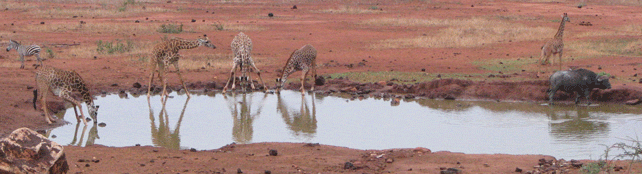
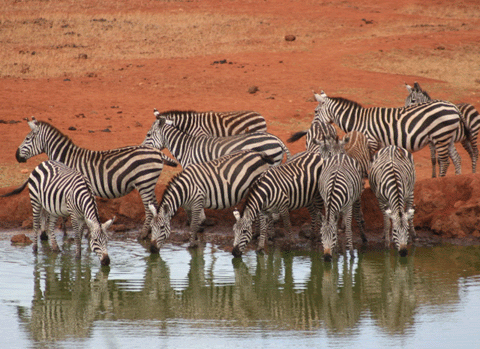
 The
Maasai Association is the driving force behind the Waterhole
Restoration Project in Merrueshi Group Ranch, Kenya. This
is a rangeland management and habitat restoration project
aimed at restoring natural waterholes for the benefit of
wildlife and Maasai pastoralists.
The
Maasai Association is the driving force behind the Waterhole
Restoration Project in Merrueshi Group Ranch, Kenya. This
is a rangeland management and habitat restoration project
aimed at restoring natural waterholes for the benefit of
wildlife and Maasai pastoralists.
The
waterholes were originally made and maintained by elephants
for decades. However, due to prolonged droughts and reduction
of elephant population in the region, most waterholes have
either silted up or in the process of silting. The waterholes
are in desperate need of restoration.
Why
are the waterholes silting?
Silting
of waterholes is caused by excessive vegetation growth and
accumulated mud in the bottom of the waterhole. When a waterhole
disappears, the number of wildlife in that area will also
fade away. Shortage of water can increase human and wildlife
conflict in the area. The objectives for restoring waterholes
are to:
•
Collect rainwater which would otherwise be lost to evaporation
or runoff
• Reduce human and wildlife conflict over shallow
wells and boreholes
• Promote tolerance and harmonize the relationship
between people and wildlife
• Secure wildlife migration corridors in private ranches
• Increase the number of wildlife in the area
Because of complexities between landowners and wildlife
we often restored waterholes in private ranches and encouraged
landowners to share the water and pasture with wildlife.
We can only restore waterholes in private ranches when the
owner agreed not to fence the waterhole and open migration
corridors.
Restoring
a Waterhole
To
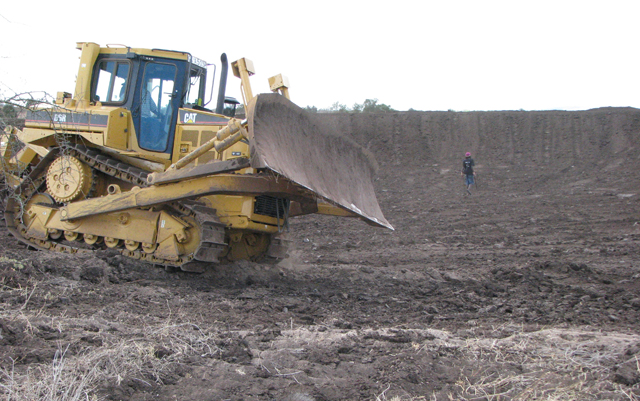
restore the waterhole we have to bring in a bulldozer from
Nairobi city. It is not always easy to find a bulldozer
because most contractors are often reluctant to bring their
equipment 300 kilometers into the bush where communication
and roads is limited.
Tree
planting
The
local people must play an important role in order for the
project to be successful. The villagers are required to
plant drought-tolerant trees around the waterholes. The
trees are an effective means to prevent future soil erosion.
In addition to restoring the waterhole we also have to restore
water channels that direct the water into the waterhole.
The Maasai Association will continue to monitor the waterhole
for years and make sure that the ranchers are keeping the
promise.
Otherwise
you can adopt a waterhole in one Click.